
An In-Depth Exploration of Reasonable Accommodations and the Interactive Process (1 hour)
This training is developed and delivered in collaboration with the Massachusetts Disability Law Center.
The interactive process is essential to an employer’s compliance with the mandate of the American’s with Disabilities Act (ADA) that employees with disabilities be provided effective reasonable accommodations. Both employers and employees should engage in the interactive process in “good faith” but there are no explicit rules for what that means, or for what does or does not constitute reasonable accommodation in any given job category. Therefore, it is important for managers and human resources professionals to understand and implement best practices for recognizing and addressing reasonable accommodation requests from job applicants and employees. This training will provide an in-depth analysis of the interactive process and recommend tips and strategies that can be used to avoid common pitfalls that occasionally lead to legal disputes.
After completing this training, participants will be able to:
- Distinguish between accommodations that are reasonable in the workplace and those that are not reasonable or constitute an undue hardship.
- Recognize when a request for reasonable accommodation is made by an employee.
- Use best practices while engaging in an interactive process with an employee who has requested reasonable accommodation.
- Choose and implement the best options for both the employer and the employee.
Trainer:
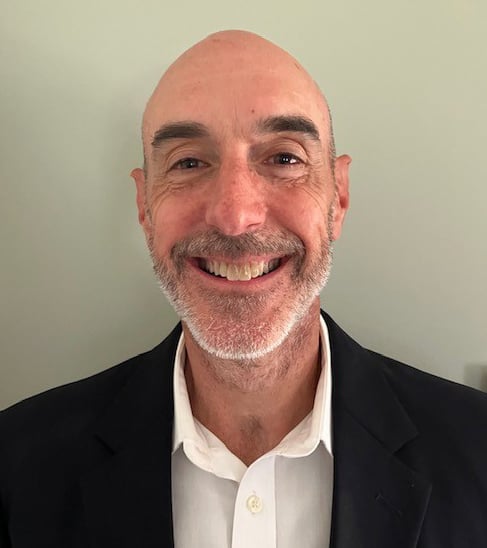
Thomas P. Murphy, Managing Attorney, Disability Law Center
|
|
Tom's expertise is focused on issues involving the civil rights of individuals with disabilities, primarily in the areas of employment, housing and public accommodations discrimination, government programs and services, architectural access, and voting rights. He has conducted trainings on reasonable accommodation and the employment rights of individuals with disabilities for over 20 years, and is the author of chapters covering employment law and equal access to public accommodations in the MCLE publication Legal Rights of Individuals with Disabilities. He is a graduate of Boston University School of Law and Villanova University, and previously worked for the Massachusetts Office of the Attorney General and the Massachusetts Commission Against Discrimination, in addition to working in private practice and legal services. |
FY25-FY26 Year End Training Summary (pdf)
Training Feedback
"Concise agenda/format; great links to supporting resources; knowledgeable presenter."
"Understanding effective processes that could provide successful outcomes in the workplace."
"Well-designed presentation! Thorough and easy to follow. Covered a lot of material."